Industry Track

Date: June 1-2, 2026

2026 IEEE ICHI Industry Track

The rapid growth of healthcare AI has been fueled by advances in real-world data (RWD), including electronic health records, registries, and medical device data. However, translating these innovations into clinical and operational impact requires overcoming challenges related to data quality, regulatory compliance, scalability, and collaboration between stakeholders. This Industry Track aims to bring together leaders from industry, academia, and healthcare organizations to share practical insights, lessons learned, and strategies for driving safe, effective, and equitable AI adoption in real-world settings.

Monday, June 1

Industry Track fireside chat

3:30 PM - 5:00 PM Fireside Chat
Fireside Chat Mississippi Room

Shaping the Future of Health AI: Inside the Federal Strategy on Data, Interoperability, and Intelligent Care

Format: Fireside Chat + Audience Q&A. Duration: ~60 min conversation · ~30 min Q&A.

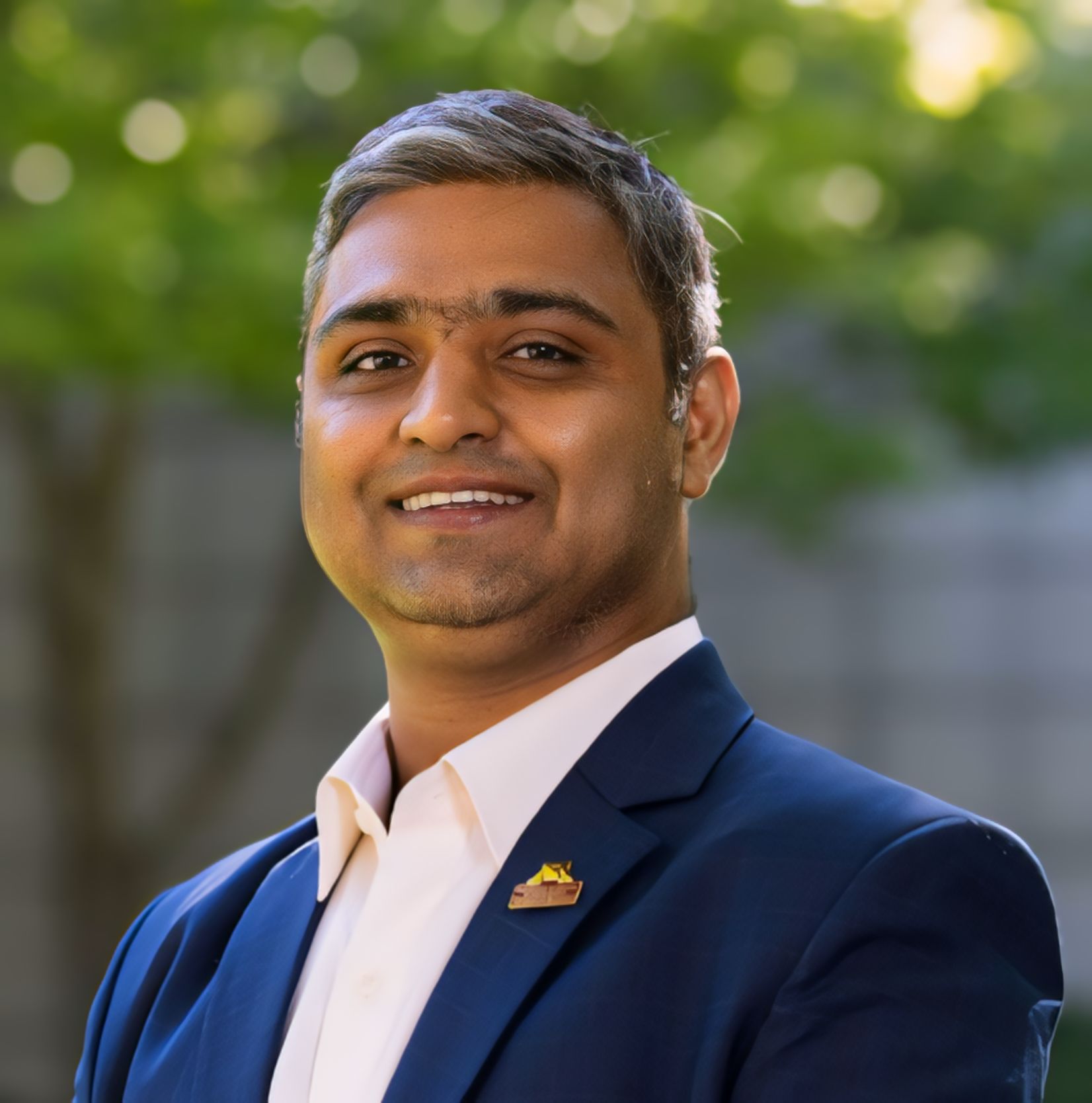
Jesse Isaacman-Beck, PhD
Speaker

Jesse Isaacman-Beck, PhD

Director, Division of Artificial Intelligence Policy and Strategy

U.S. Department of Health & Human Services (HHS) / ONC

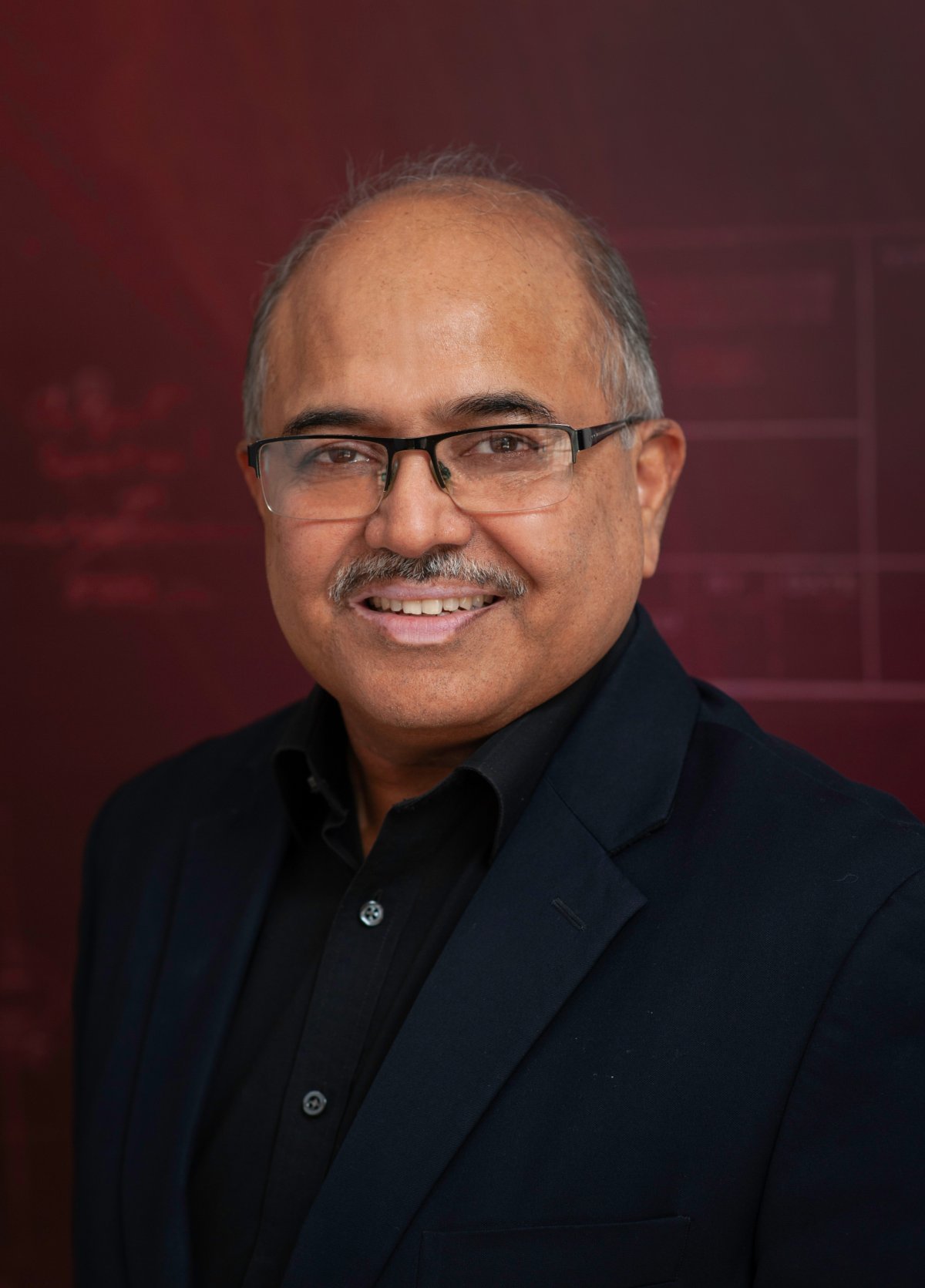
Ikram Khan
Moderator

Ikram Khan

Managing Director

Health AI Institute

Abstract

As artificial intelligence reshapes the delivery, administration, and governance of healthcare, the federal response has never been more consequential — or more complex. In this fireside chat, Jesse Isaacman-Beck, Director of AI Policy and Strategy at the U.S. Department of Health and Human Services (HHS) and senior leader within the Office of the National Coordinator for Health Information Technology (ONC), offers an inside look at how the federal government is navigating this pivotal moment.

Drawing on his work developing the HHS AI Strategy, leading ONC's efforts on data interoperability, and engaging the broader health informatics community through HHS's recent Request for Information, Isaacman-Beck will share the department's vision for a health system where data flows freely, technology evolves responsibly, and AI genuinely expands access and affordability of care. He will offer candid early insights from community feedback on how stakeholders — from health systems to researchers to patients — want to see federal AI priorities implemented in practice.

The conversation will explore what it means to govern AI in a rapidly shifting policy landscape, how ONC interoperability mandates intersect with the emerging demands of AI-enabled workflows, and where the federal government sees the greatest opportunities — and the most pressing risks — in the years ahead. The session will close with an open audience Q&A, offering ICHI participants a rare opportunity to engage directly with federal leadership on the policies shaping their research, their institutions, and their patients.
Tuesday, June 2

Industry Track keynote, panels, and networking

7:30 AM - 8:15 AM Networking Breakfast
Networking Lobby

Networking Breakfast

8:15 AM - 8:35 AM Policy Keynote
Policy Keynote Theater

Evaluating Large Language Models for Clinical Decision Support

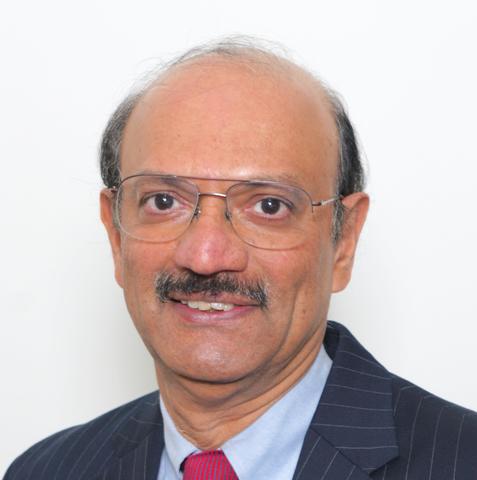
Ram D. Sriram
Speaker

Ram D. Sriram

Senior Scientific Advisor, Information Technology Laboratory

National Institute of Standards and Technology

Gaithersburg, MD, 20899

Date & Time: June 2, 2026, 8:15–8:35 AM CT

Abstract

Large Language Models, (LLMs) are extensively being used by the healthcare profession. These systems are aiding the clinician in decision making by analyzing unstructured text, medical literature, and various guidelines to provide precise and personalized treatment in line with the P9 concept that we outlined in our earlier work. However, there is a need for rigorous measurement and evaluation of these systems. This talk delves into the emerging field of AI metrology, which seeks to establish standardized methods for assessing the accuracy, reliability, and trustworthiness of AI models in general, LLMs in particular. After providing a brief overview of LLMs use in health care, we explore state-of-the-art evaluation metrics designed to assess health care chatbots from an end-user perspective These metrics encompass an evaluation of language processing abilities, impact on real-world clinical tasks, and effectiveness in user-interactive conversations. Finally, we discuss ongoing work in Agentic AI and the specific metrics required to evaluate these architectures.

8:35 AM - 9:45 AM Policy Panel
Policy Panel Theater

From Data to Policy: Governing AI and Health Informatics in the Age of Intelligent Care

Abstract

The rapid integration of artificial intelligence, large-scale health data systems, and interoperable informatics platforms into clinical and public health settings has outpaced the policy frameworks designed to govern them. This panel convenes leaders from federal agencies, national standards bodies, state government, and health data networks to examine the critical fault lines where innovation meets regulation — including AI accountability in clinical decision support, technical standards for responsible AI deployment, data privacy and interoperability under evolving federal frameworks such as the 21st Century Cures Act, health equity in algorithmic systems, and state-level legislative experimentation as a governance laboratory. Panelists will debate practical pathways for policy that is both enabling of innovation and protective of patients, and will engage the ICHI community on how researchers and technologists can actively shape — rather than simply react to — the regulatory landscape.

Senator Eric Lucero
Panelist

Senator Eric Lucero

Minnesota Senate Representative

Ram D. Sriram, PhD
Panelist

Dr Ram Sriram, PhD

Chief Scientific Advisor

National Institute of Standards and Technology (NIST)

Jesse Isaacman-Beck, PhD
Panelist

Jesse Isaacman-Beck, PhD

Director, Division of Artificial Intelligence Policy and Strategy

U.S. Department of Health & Human Services (HHS)

Tyler Winkelman, MD, MSc
Panelist

Dr Tyler Winkelman, MD, MSc

Director, Research & Evaluation Data Analytics

HHRI (MN HER Consortium)

Ikram Khan
Chair/Moderator

Ikram Khan

Managing Director

Health AI Institute
9:45 AM - 10:00 AM Break
Break Lobby

Morning Break

10:00 AM - 11:30 AM Panel Discussion
Panel Discussion Theater

The GenAI Data Chasm: Are we optimizing models for patients, providers, or businesses, or are we truly optimizing care?

The GenAI Data Chasm highlights a critical barrier to healthcare AI adoption the gap between having data and having data that is trustworthy representative and fit for medical grade systems. While generative AI promises to transform diagnostics drug discovery and patient care this progress depends on building a robust and integrated data ecosystem. Patient journeys are segmented across conditions care settings and modalities and unfold over time. This requires moving beyond generalized datasets toward segment aware strategies that capture clinically meaningful variation and connect multimodal data to longitudinal patient outcomes. This panel will examine how to build systems that learn improve and act within healthcare workflows. We will explore how data should be collected across clinical and real world sources how the role of experts is evolving toward providing structured rationale and uncertainty and how emerging evaluation approaches can support reinforcement learning and agentic AI. The discussion will focus on designing a unified human aligned data and evaluation ecosystem or risk creating more advanced silos that fail to deliver real clinical impact.

Jaideep Srivastava, PhD
Panelist

Prof Jaideep Srivastava

Hoifung Poon, PhD
Panelist

Dr Hoifung Poon

Sravanthi Parasa, MD
Panelist

Dr. Sravanthi Parasa

Prasanna Desikan
Chair/Moderator

Prasanna Desikan

11:45 AM - 12:45 PM Conference Keynote
Conference Keynote Theater

Towards Virtual Patient: AI for Accelerating Medical Discovery

Hoifung Poon, PhD
Speaker

Hoifung Poon, PhD

General Manager

Microsoft Research, USA

Abstract

Today, medical discovery advances one clinical trial at a time, each taking years to execute and often costing $100 million or more. As we enter the era of precision health in which we recognize that “one size doesn't fit all” and thus try to tailor treatments for each individual, continuing on today's discovery processes is clearly not sustainable. The confluence of technological advances and social policies has led to rapid digitization of multimodal, longitudinal patient journeys, such as electronic health records (EHRs), imaging, and multiomics. Our overarching research agenda lies in advancing multimodal generative AI to learn the language of patients and create a virtual patient world model as digital twin for forecasting disease progression and treatment response. This enables us to synthesize population-scale real-world evidence from hundreds of millions of patients and accelerate medical discovery through AI-powered virtual clinical trials, in deep partnerships with real-world stakeholders such as large health systems and life sciences companies.

12:45 PM - 1:30 PM Lunch Break
Lunch Lobby

Lunch Break

1:30 PM - 3:00 PM Panel Discussion
Panel Discussion Theater

Public–private partnerships and industry–academia collaborations — identifying key barriers, community-driven solutions, early wins, recommendations, and emerging trends

Panel Abstract

While many discussions of AI in healthcare focus on tools to improve clinical workflows and efficiency or for patient interactions, AI has a powerful capability to improve early diagnosis and hence prevention or mitigation of disease progression, and to improve treatment. Currently, nearly 1/3 of new medical devices include an AI/ML functionality. This panel will discuss the application of AI to medtech, the potential benefit to patients, the issues for healthcare systems regarding AI-enabled medtech, and the partnership needed between health systems and medtech companies to develop and deploy solutions to meet the needs for better outcomes as well as access and affordability.

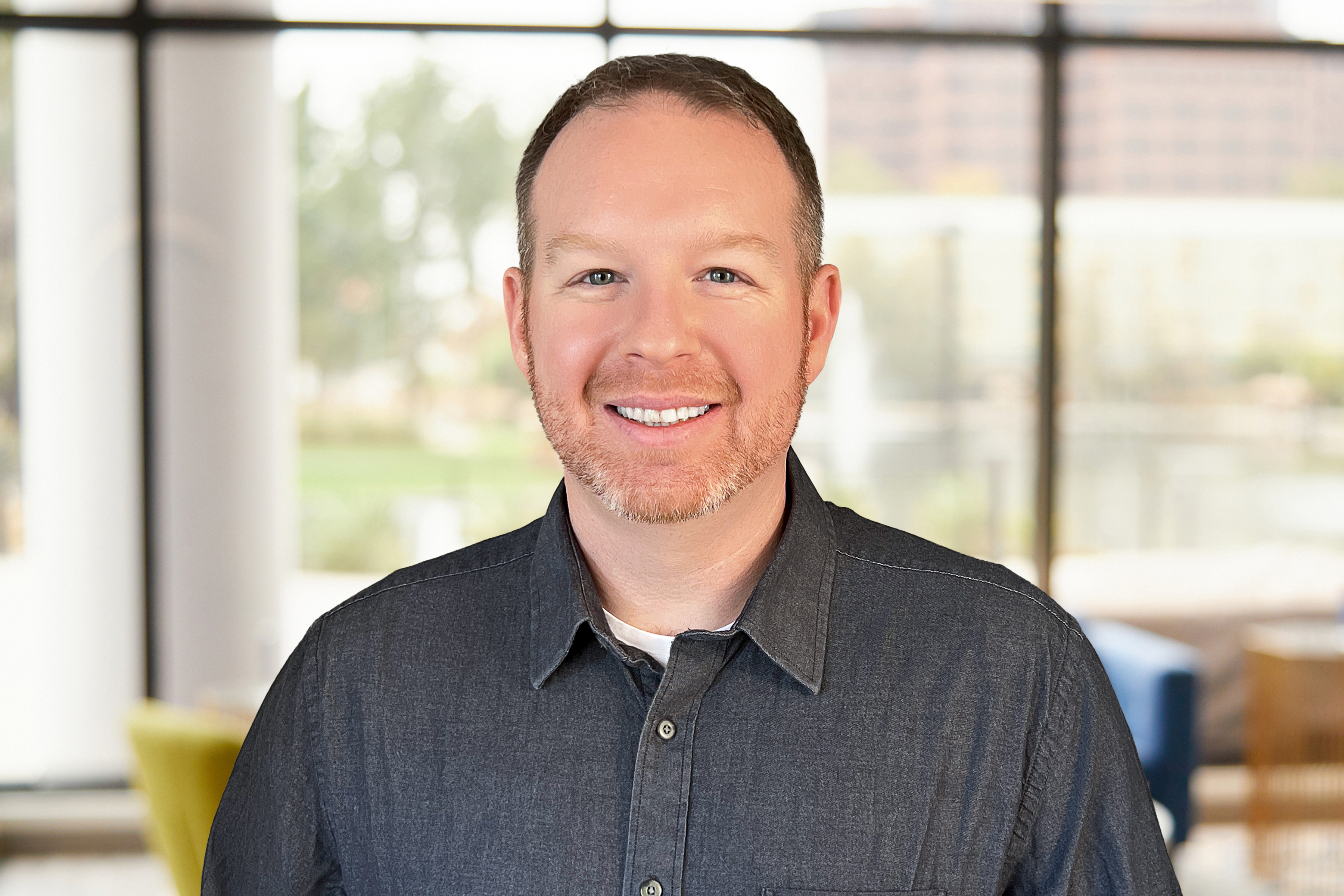
Matt Loth
Panelist

Matt Loth

Research Partnership Manager

Center for Learning Health System Sciences, University of Minnesota Medical School

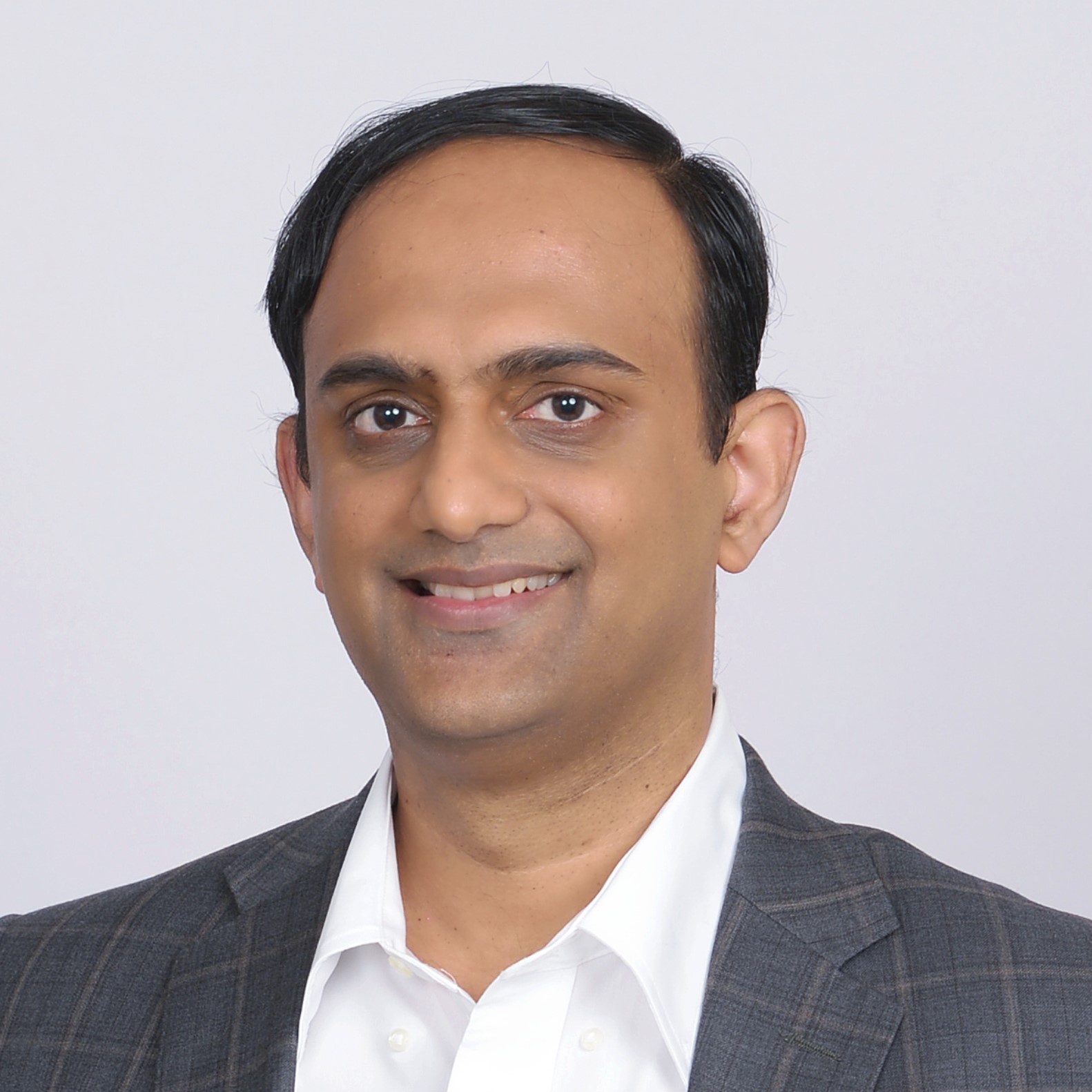
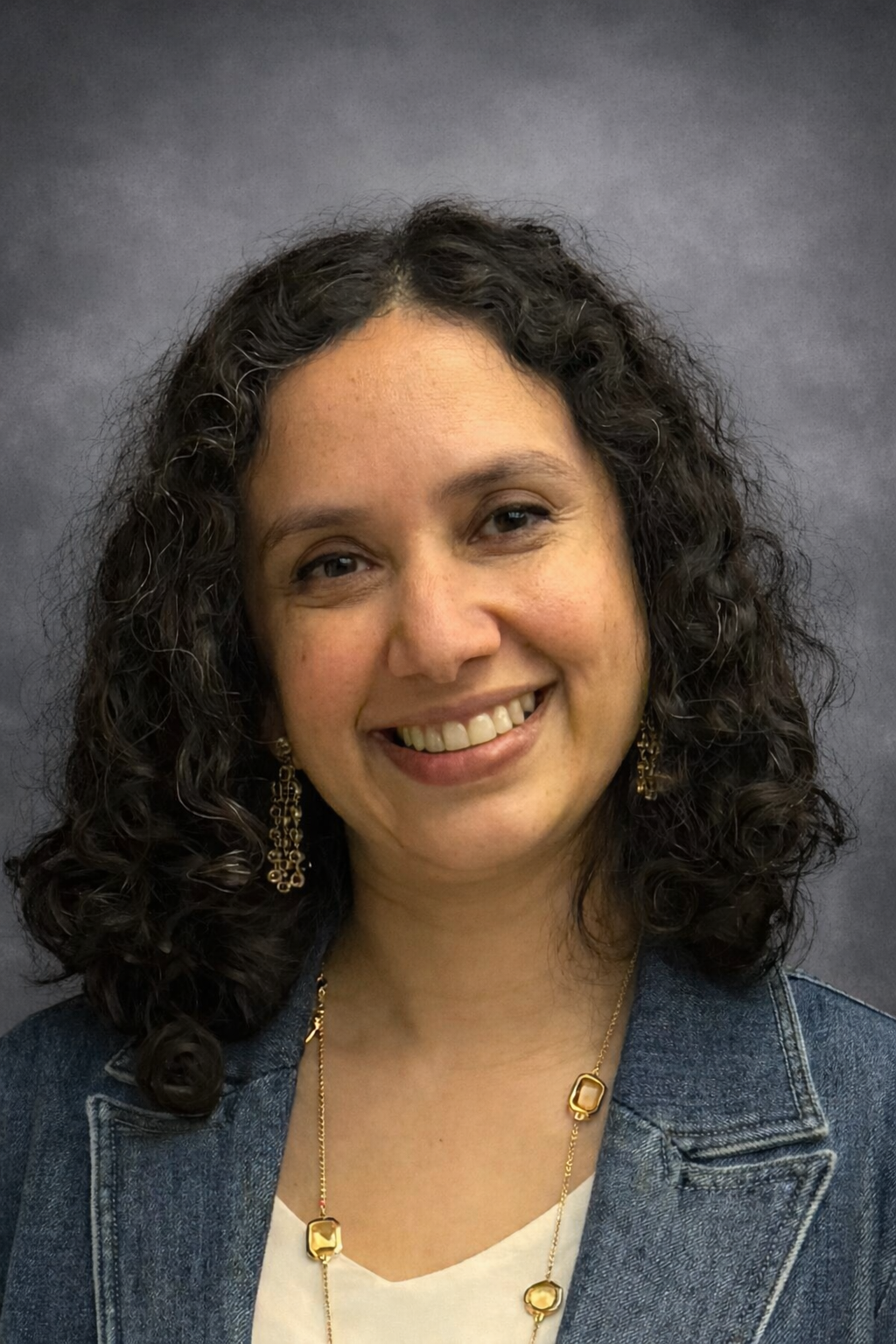
Deepika Appana
Panelist

Deepika (Deepa) Appana

Director of Technology, Research, and Education

HealthPartners Institute

Julie Thompson, PhD
Panelist

Julie Thompson, PhD

Sr. Director, R&D

Cardiac Rhythm Management & Diagnostics Division

Boston Scientific Corporation

Jim Southwick
Chair/Moderator

Jim Southwick

3:00 PM - 3:20 PM Break
Break Lobby

Afternoon Break

3:20 PM - 4:20 PM Closing Keynote and Q&A
Closing Keynote Theater

From Algorithm to Adoption: Evolving BeatLogic into Trusted Real-World AI for Cardiac Monitoring

Ben Teplitzky, PhD
Speaker

Ben Teplitzky, PhD

AI/ML Research Fellow, Patient Management

Boston Scientific

Abstract

Artificial intelligence in healthcare is often presented through model performance, but real-world impact depends on much more than accuracy alone. In ambulatory cardiac monitoring, the challenge is not simply detecting arrhythmias from ECG signals; it is building AI that can operate reliably across noisy, heterogeneous, real-world data, fit into clinical workflows, support expert review, and earn trust from clinicians, patients, and health systems.

In this keynote, Ben Teplitzky will trace the evolution of BeatLogic from an early deep-learning platform for comprehensive ECG annotation to a broader case study in healthcare AI enablement. Early work showed that combining deep learning with high-quality expert-adjudicated data could substantially improve beat and rhythm interpretation in ambulatory monitoring. But that technical milestone was only the beginning. Translating AI into practice required confronting the harder informatics problems: dataset design, annotation quality, edge-case discovery, validation strategy, workflow integration, human oversight, and continuous iteration as the system encountered new conditions in the field.

Using lessons from cardiac rhythm management and broader experience across healthcare AI, this talk will examine what it takes to move from an impressive algorithm to a trusted operational capability. The session will highlight practical strategies for developing clinically meaningful real-world evidence, managing model evolution responsibly, balancing automation with expert judgment, and building systems that are robust not only in development but also in deployment. The goal is to offer a pragmatic roadmap for organizations seeking to create human-centered AI that is safe, scalable, and genuinely useful in healthcare.

4:30 PM - 6:00 PM Networking
Networking Theater Lobby

Professional Networking, Speed Dating, and Social Hour

Industry Track Chairs

Xinxin Zhu

Katie Zhu, PhD

Boston Scientific, USA

katie.zhu@bsci.com

Chung-Ching Zhou

Chung-Ching Zhou

United Health Group, USA

Changqingzhou@gmail.com

Ikram Khan

Ikram Khan

Health AI Institute

ikram@healthai.institute

Prasanna Desikan

Prasanna Desikan

Centific

prasanna@gmail.com