Program
| Time | Title | Speaker |
|---|---|---|
| 8:30 – 8:35 am | Welcome to AMIA 2025 NLP Working Group Pre-symposium |
Rui Zhang AMIA NLP WG Chair University of Minnesota |
|
Session 1 – Graduate Student Consortium Session Chair: Sunyang Fu, Yonghui Wu Faculty Mentors: Hua Xu, Suzanne Tamang, Ramakanth Kavuluru, and Timothy Miller 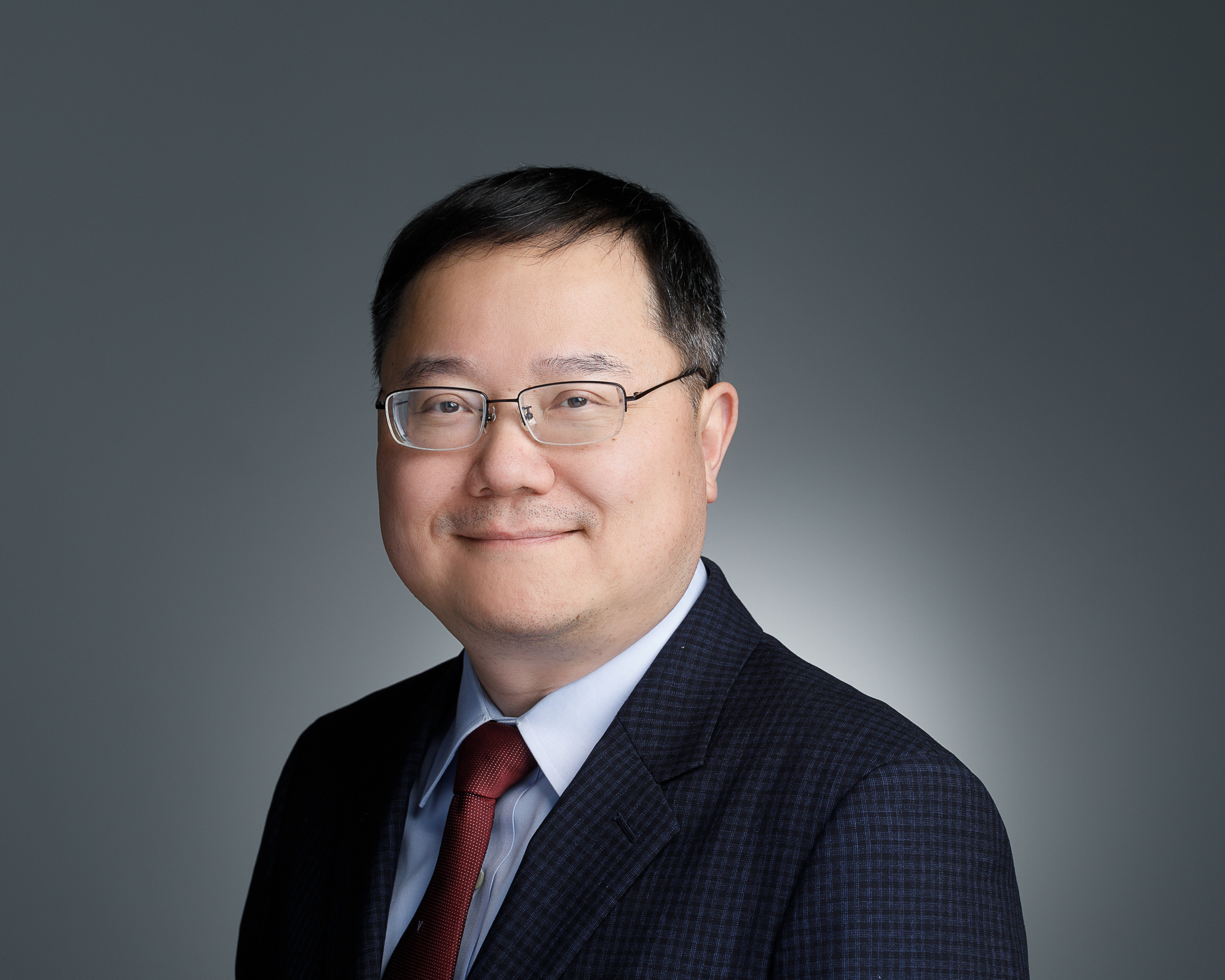 Hua Xu
Professor and Vice Chair for Research and Development, Assistant Dean for Biomedical Informatics, Yale School of Medicine  Suzanne Tamang
Assistant Professor in the Department of Medicine, Division of Immunology and Rheumatology, Faculty Fellow at the Stanford Center for Population Health Sciences  Ramakanth Kavuluru
Professor of Internal Medicine, University of Kentucky  Timothy Miller
Associate Professor of Pediatrics, Harvard Medical School |
||
| 8:35 - 8:50 am | Context Matching is not Reasoning: Assessing MCQA-Based Evaluation of Generative Language Models in Clinical Settings |
Andrew Wen University of Texas Health Science Center at Houston |
| 8:50 - 9:05 am | Identifying Federal Pain Research Priorities in NIH Funded Research Grant Abstracts Using Seed-Guided NLP Algorithms |
Zhe Zhao University of Michigan |
| 9:05 - 9:20 am | Expanding Suicide-SDoH Coverage from Death Investigation Narratives |
Geoffrey Martin Weill Cornell Medicine |
| 9:20 - 9:35 am | Context-Aware Clinical Natural Language Processing |
Kurt Miller University of Texas Health Science Center at Houston |
| 9:35 - 9:50 am | Advancing Personalized Oncology Treatment Planning with Large Language Models |
Mengxian Lyu University of Florida |
| 9:50 - 10:05 am | Embedding Privacy Controls and Testing to Prevent Personal Health Information (PHI) Leakage in Clinical Foundation Model Workflows |
Dalton Simancek University of Michigan |
| 10:05 – 10:20 am | Coffee Break | |
| Session 2 – State-of-the-art Biomedical and Clinical NLP Session Chair: Xinsong Du, Jiyeong Kim |
||
| 10:20 – 10:30 am | Clinical Decision Support for Dementia: Large Language Models Enhance ADRD Risk Prediction from Electronic Health Records |
Jiankun Wang University of Michigan |
| 10:30 – 10:40 am | Identifying and Characterizing Gallstone Disease from Clinical Narratives with Zero-shot Learning and Automated Prompt Optimization |
Sy Hwang University of Pennsylvania |
| 10:40 – 10:50 am | Automating Expert-Level Medical Reasoning Evaluation of LLMs |
Shuang Zhou University of Minnesota |
| 10:50 – 11:00 am | GENIE: Generative Note Information Extraction model for structuring EHR data |
Huaiyuan Ying Tsinghua University |
| 11:00 – 11:10 am | Efficient and Scalable Retrieval in Knowledge Graphs: From Single-Graph to Partitioned Multi-Graph Approaches |
He Cheng University of Colorado |
| 11:10 – 11:20 am | Overview of the ArchEHR-QA 2025 Shared Task on Grounded Question Answering from Electronic Health Records at the BioNLP Workshop at ACL |
Sarvesh Soni National Library of Medicine, National Institutes of Health |
| Session 3 – Generative AI in Health Systems Session Chair: Rui Zhang Time: 11:20 - 11:50 am |
||
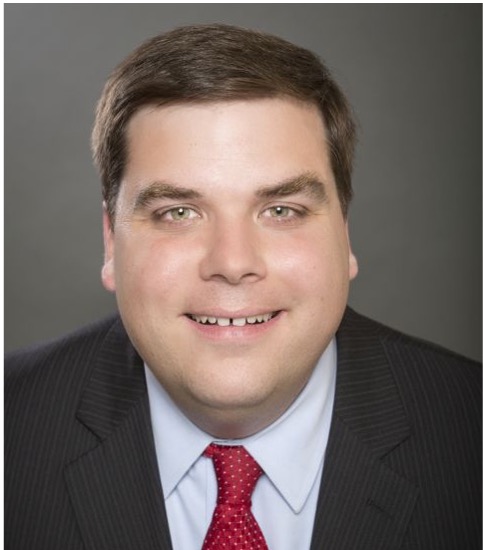 Adam Wright
Professor of Biomedical Informatics and Medicine at Vanderbilt University Medical Center, Director of the Vanderbilt Clinical Informatics Center (VCLIC) 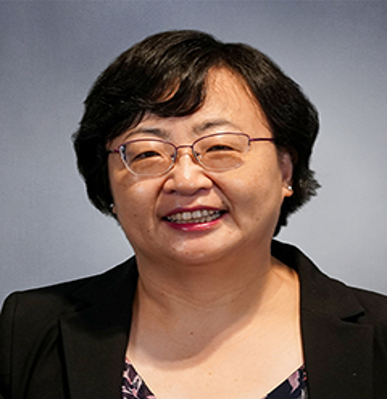 Hongfang Liu
Professor at McWilliams School of Biomedical Informatics, Vice President of Learning Health System UTHealth Houston  Yiye Zhang
Associate Professor of health informatics at Weill Cornell Medicine, Informatics Director of Clinical Decision Support at NewYork-Presbyterian Hospital, editor-in-chief, npj Health Systems 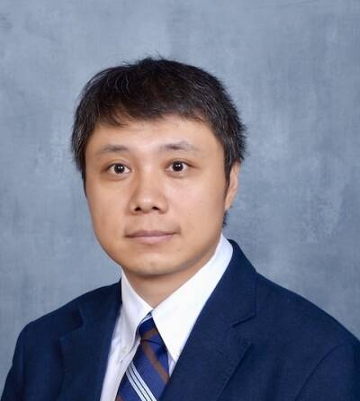 Yonghui Wu
Chief Data Scientist & Associate Professor, Department of Health Outcomes & Biomedical Informatics College of Medicine at University of Florida
Suzanne TamangAssistant Professor in the Department of Medicine, Division of Immunology and Rheumatology, Faculty Fellow at the Stanford Center for Population Health Sciences |
||
| 11:50 - 12:00 | Closing | |